
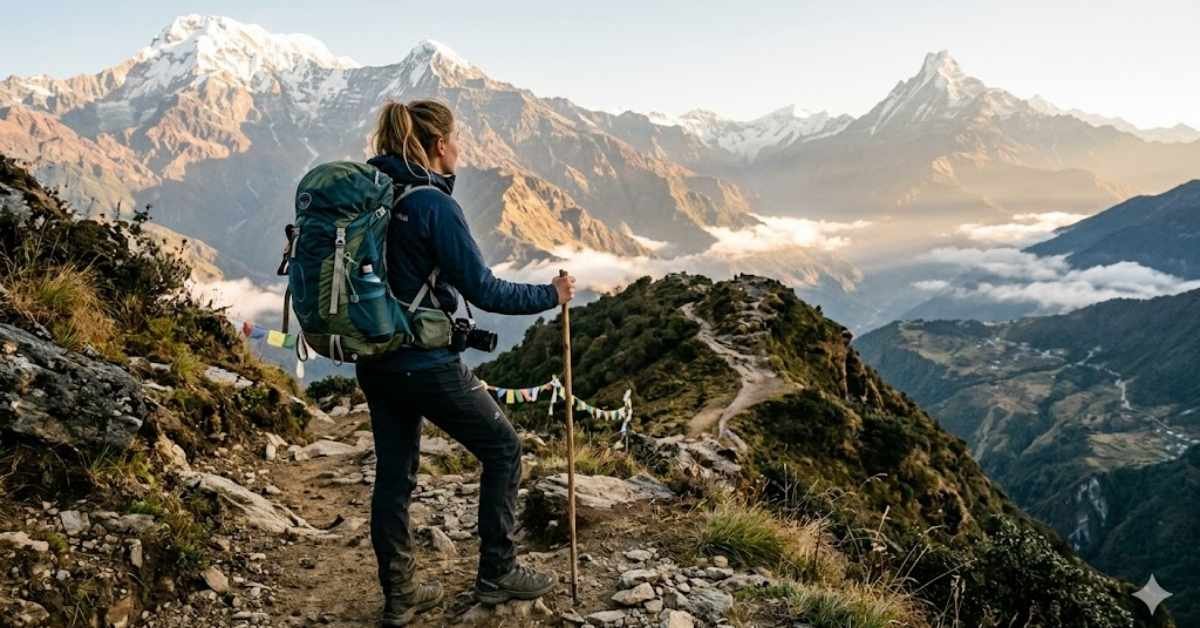
Solo adventure travel gives you the freedom to explore the world on your terms while building confidence through new experiences. Many travelers want independence without feeling isolated or overwhelmed in unfamiliar places.
Modern travelers now prefer flexible journeys that combine safety, exploration, and meaningful cultural connections. From small group experiences to independent backpacking routes, solo adventures offer a perfect mix of freedom and structure.
This guide covers planning, safety, destinations, activities, budgeting, and practical strategies that help you travel smarter. You’ll also discover how experienced solo travelers find hidden opportunities, avoid common mistakes, and create unforgettable memories.
What Is Solo Adventure Travel
Solo adventure travel means exploring destinations independently while actively seeking exciting, immersive, and meaningful experiences. Instead of following crowded tourist routes, many travelers choose to step off the beaten path and connect with local culture, nature, and authentic communities. Some travelers prefer hiking remote trails while others enjoy city exploration, wildlife tours, or cultural experiences. The goal isn’t simply reaching a destination. It’s creating stories, confidence, and personal growth through travel.
This travel style works for many personalities and budgets because it offers flexibility and freedom. Some people join discovery tours with fellow adventurers while others plan everything independently. You can enjoy quiet personal time or build friendships during shared experiences. Many travelers also appreciate the balance between adventure and comfort. That’s why solo travel continues growing among students, professionals, and retirees alike.
Benefits Of Solo Adventure Travel
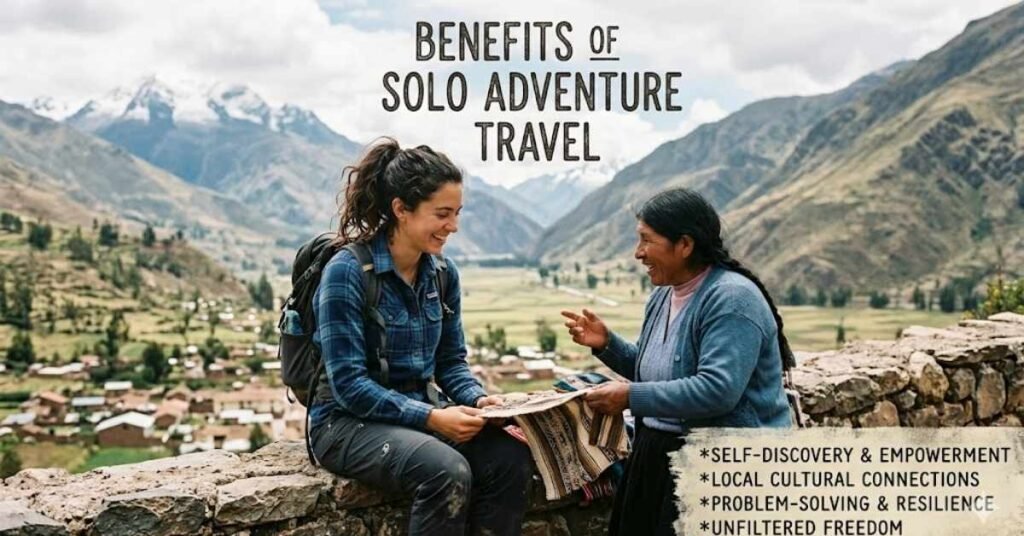
One major benefit of solo travel is complete personal freedom. You decide your schedule, activities, and pace without compromising with friends or partners. Many travelers discover hidden strengths when they solve problems independently during their trips. You also gain stronger decision-making skills and confidence in unfamiliar situations. Over time, these experiences make daily challenges feel easier to manage.
Solo travel also creates opportunities for deeper cultural experiences. You’re more likely to talk with locals, share meals, and build genuine connections during your journey. Travelers often stay with local hosts or join cultural workshops that create authentic moments impossible to experience on rushed vacations. Many people even return home with new perspectives and lifelong friendships. In fact, some travelers say their first solo trip changed how they view the world forever.
How To Plan A Solo Adventure Trip
Good planning reduces stress and helps you enjoy your journey more confidently. Start by choosing a destination that matches your interests, fitness level, and budget. Research transportation, accommodations, weather conditions, and local customs before booking anything. You should also check visa rules, health recommendations, and seasonal travel conditions early. A well-planned trip usually feels smoother and safer from the start.
Next, create a flexible itinerary instead of overloading every day with activities. Many experienced travelers leave room for spontaneous experiences and unexpected opportunities. You can mix guided tours with free exploration to maintain balance during the trip. Some travelers prefer relaxed tours while others enjoy full-on itineraries packed with adventure activities. The right pace depends on your personality, confidence, and travel goals.
See also: Solo Travel In NYC: Best Tips & Things To Do
Best Destinations For Solo Adventure Travel
Some destinations naturally suit solo travelers because they combine safety, affordability, and strong tourism infrastructure. Countries like Iceland, Costa Rica, Portugal, and Japan remain popular for independent exploration. These places offer excellent transportation, welcoming locals, and unforgettable outdoor experiences. Travelers can explore volcanoes, beaches, forests, and historic neighborhoods without constant stress. Many destinations also provide group activities that make meeting people easier.
Adventure seekers often choose destinations with strong nature and cultural experiences. For example, Explore Costa Rica attracts travelers interested in wildlife, rainforests, and jungle waterways filled with exotic species. Meanwhile, Cuba offers vibrant music, colorful streets, and fascinating history. Europe also provides excellent rail systems, cycling routes, and walkable cities for beginners. Choosing the right destination depends on your comfort level and preferred adventure style.
| Destination | Best For | Budget Level | Popular Activities |
| Costa Rica | Nature lovers | Medium | Wildlife tours, beaches |
| Iceland | Scenic landscapes | High | Northern Lights, hiking |
| Portugal | Beginners | Medium | City walks, food tours |
| Thailand | Backpackers | Budget-friendly | Island hopping, trekking |
| Japan | Culture and safety | Medium-High | Temples, local experiences |
Safest Countries For Solo Adventure Travelers
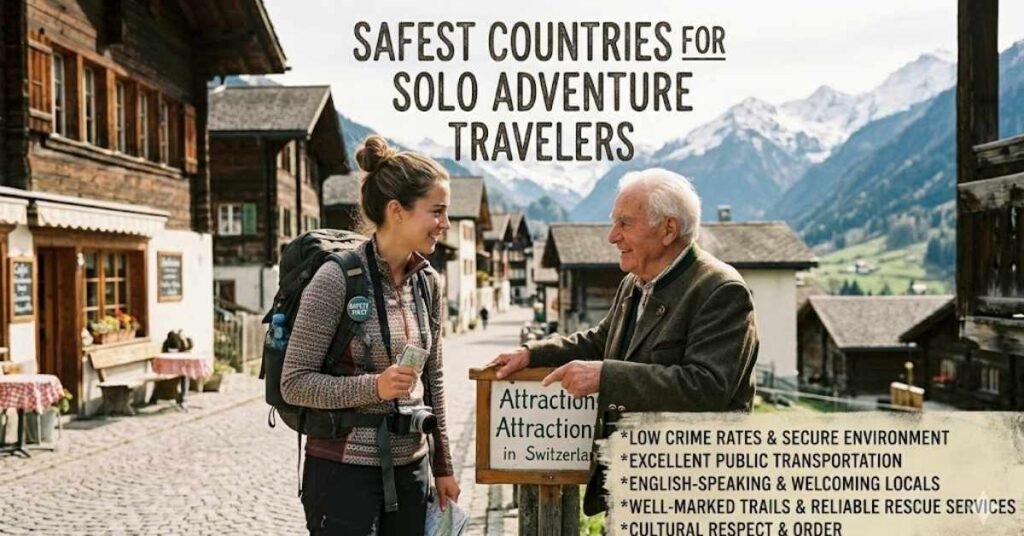
Safety matters for every traveler, especially when exploring unfamiliar places alone. Countries like Japan, Switzerland, New Zealand, and Canada consistently rank among the safest destinations worldwide. These locations offer reliable transportation, organized tourism systems, and helpful local communities. Travelers often feel more comfortable exploring independently in places with strong public safety standards. That confidence allows you to focus more on enjoying the experience.
However, safe travel also depends on smart decisions and awareness. Even in secure destinations, travelers should avoid isolated areas late at night and protect valuables carefully. Many experienced travelers stay connected with family members and share their itineraries regularly. You should also research local scams and emergency services before arrival. Preparation often prevents unnecessary problems during the journey.
Solo Adventure Travel Safety Tips
Safety begins long before your flight takes off. Research neighborhoods, transportation options, and emergency contacts before arriving at your destination. You should keep digital copies of important documents and store backup payment methods separately. Many travelers also purchase travel insurance for additional peace of mind during unpredictable situations. Small precautions often make a huge difference during emergencies.
While exploring, remain aware of your surroundings and trust your instincts. Experienced travelers recommend staying in public areas when meeting strangers for the first time. It also helps to stay alert in crowded transportation hubs and nightlife districts. Learning a few local phrases can improve communication and create friendlier interactions with residents. Confidence combined with awareness creates a safer and smoother travel experience.
Essential Packing List For Solo Adventure Travel
Packing efficiently makes travel easier, cheaper, and less stressful. Start with lightweight clothing suitable for changing weather conditions and local customs. A comfortable backpack, reusable water bottle, power bank, and secure travel wallet also help tremendously. Travelers who pack less usually move around more comfortably during long journeys. You don’t need excessive gear to enjoy an incredible adventure.
Your packing list should also include important health and safety essentials. Carry medications, a compact first-aid kit, and copies of travel documents in waterproof storage. Check vaccination requirements and review official Travel Health recommendations before departure. It’s also important to ensure your passport valid period extends beyond your return date. Smart packing prevents unnecessary stress while traveling between destinations.
Also read: Solo Sailing Trips Guide For Beginners & Travelers
Budget Tips For Solo Adventure Travel
Traveling solo doesn’t always mean spending more money. In fact, many independent travelers save money by using budget airlines, hostels, and local transportation systems. Flexible travel dates also help reduce flight and accommodation costs significantly. You can often find cheaper prices by booking activities directly with local providers. Small daily savings quickly add up during longer trips.
Food and transportation usually consume a large part of your budget during travel. Many travelers reduce costs by eating local meals instead of visiting expensive tourist restaurants every day. Walking tours, public buses, and shared transportation also lower expenses while creating authentic experiences. Budget-conscious travelers often prioritize experiences over luxury accommodations. Smart spending allows you to travel longer without sacrificing enjoyment.
Best Solo Adventure Activities To Try
Adventure travel becomes more rewarding when you try activities outside your comfort zone. Hiking, scuba diving, kayaking, surfing, and cultural workshops help travelers experience destinations more deeply. These activities also create natural opportunities to meet people with similar interests. Many solo travelers build friendships during group excursions and outdoor adventures. Shared experiences often become the most memorable part of a trip.
You don’t need extreme adventures to enjoy meaningful travel experiences. Food tours, photography walks, cooking classes, and cycling routes also offer excitement and cultural immersion. Some travelers enjoy exploring ancient ruins while others prefer wildlife safaris or mountain villages. The best activity depends on your interests and energy level. Trying something unfamiliar often leads to the strongest travel memories.
Solo Hiking And Trekking Adventures
Hiking and trekking remain among the most popular activities for independent travelers worldwide. Mountain trails, forests, deserts, and coastal routes allow travelers to disconnect from busy routines and reconnect with nature. Beginners often start with shorter day hikes before attempting longer multi-day treks. Experienced adventurers may challenge themselves with high-altitude routes and remote landscapes. Every trail teaches patience, resilience, and adaptability.
Some trekking destinations have become legendary among adventure travelers. Routes like the Lemosho Route on Kilimanjaro attract hikers seeking unforgettable challenges and stunning scenery. Other travelers enjoy peaceful countryside trails across Europe or forest treks in Asia. Proper footwear, weather preparation, and route research remain essential for safe trekking experiences. Preparation matters just as much as enthusiasm during outdoor adventures.
Solo Backpacking Travel Guide
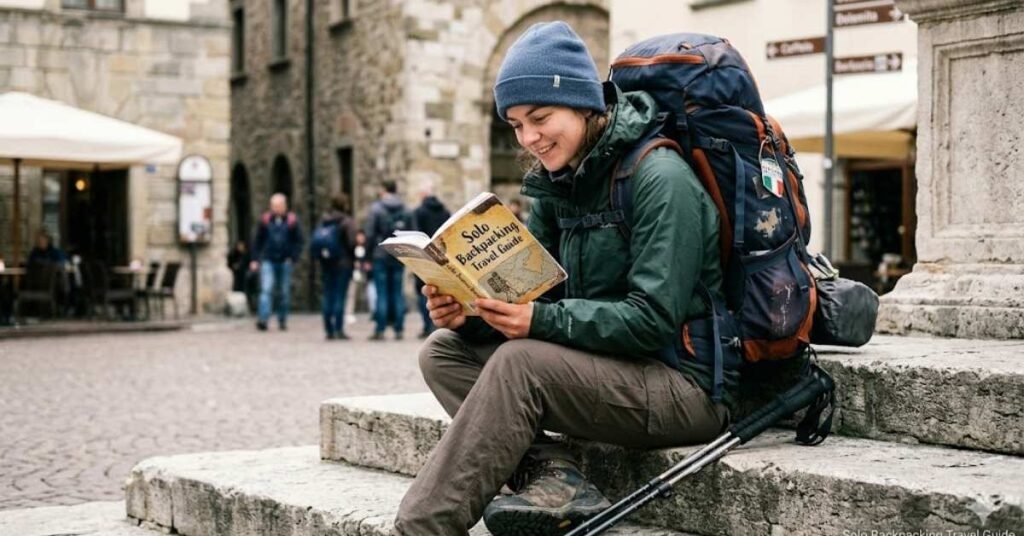
Backpacking gives travelers maximum flexibility while keeping costs manageable during long journeys. Many backpackers move between cities using trains, buses, and budget flights instead of expensive tour packages. This travel style works well for people who enjoy independence and spontaneous experiences. You can stay longer in destinations you love and quickly adjust plans when opportunities appear. That freedom often makes backpacking feel exciting and deeply personal.
Successful backpacking starts with smart preparation and realistic expectations. Travelers should pack light, choose practical gear, and organize important documents carefully before departure. Many beginners overpack and regret carrying unnecessary items across multiple destinations. Experienced backpackers focus more on mobility and comfort than luxury. Over time, you’ll learn how to travel efficiently without sacrificing meaningful experiences.
Solo Female Adventure Travel Tips
Many women now embrace independent travel because it offers freedom, confidence, and life-changing experiences. However, preparation and awareness remain essential for safe and comfortable journeys. Experienced solo female travelers often choose accommodations with strong reviews and central locations near public transportation. They also avoid sharing detailed travel plans publicly on social media during trips. Small habits like these greatly improve safety and confidence.
Confidence also grows when travelers trust their instincts and stay aware of local customs. Many women prefer joining small group trips or guided excursions during certain parts of their journey. These experiences create social connections while reducing stress in unfamiliar destinations. Dressing respectfully and understanding cultural expectations can also prevent unwanted attention. Smart planning allows female travelers to focus more on adventure and less on unnecessary risks.
May you like also: New Zealand Solo Travel: Complete Guide for Independent Explorers
Group Tours Vs Independent Solo Adventure Travel
Some travelers prefer organized tours while others enjoy complete independence during their adventures. Group tours provide structure, transportation, and expert support that simplify travel logistics considerably. Independent travel offers more freedom and flexibility but requires greater planning and problem-solving skills. The best choice depends on your confidence level, personality, and travel goals. Both approaches can create incredible memories and meaningful experiences.
Many first-time travelers appreciate guided experiences because they reduce uncertainty and help build confidence gradually. Organized tours often include expert leaders, accommodations, transportation, and carefully selected activities in one package. Meanwhile, independent travelers can customize every part of the journey based on personal interests. Some people even combine both styles during one trip. That balanced approach often provides flexibility without sacrificing convenience.
| Feature | Group Tours | Independent Travel |
| Planning | Mostly organized | Fully self-managed |
| Social Experience | Easier to meet people | More independent |
| Flexibility | Limited schedules | Full freedom |
| Safety | Extra support available | Depends on preparation |
| Cost | Often predictable | Varies widely |
| Local Insight | Guided experiences | Self-discovery |
How To Meet People While Traveling Solo
Meeting people becomes easier when you stay open, approachable, and curious during your travels. Hostels, walking tours, cooking classes, and group activities naturally encourage conversation between travelers. Many friendships begin during shared transportation rides or casual meals in common areas. Solo travelers often discover they’re more social abroad than at home. Travel creates situations where strangers quickly become companions.
Technology also helps travelers build connections while exploring new places. Many people use travel communities, social apps, and local event platforms to meet others safely. Joining group excursions or cycling tours can also introduce you to travelers with similar interests. However, meaningful interactions usually happen naturally through shared experiences. A simple conversation can sometimes lead to lifelong friendships and unexpected adventures.
Common Challenges In Solo Adventure Travel
Solo travel feels rewarding, but it also comes with challenges that many beginners underestimate. Loneliness, decision fatigue, language barriers, and travel delays can affect even experienced adventurers. Some travelers struggle with eating alone or navigating unfamiliar transportation systems initially. Unexpected situations often feel more stressful when no companion shares the responsibility. However, most challenges become easier with experience and preparation.
Travelers also face emotional ups and downs during longer journeys. Some days feel exciting and empowering while others feel exhausting or overwhelming. Maintaining routines, staying connected with loved ones, and taking occasional rest days can improve mental balance significantly. Many travelers discover personal growth through these difficult moments. Overcoming challenges often becomes one of the most valuable parts of the adventure.
Best Apps For Solo Adventure Travelers
Travel apps simplify navigation, communication, budgeting, and trip organization during solo journeys. Navigation apps help travelers explore unfamiliar cities confidently without constantly asking for directions. Translation tools also improve communication with locals and reduce confusion during daily interactions. Many travelers rely on booking apps for accommodations, transportation, and last-minute activity reservations. Technology makes modern travel far easier than it was years ago.
Safety and organization apps also provide extra convenience during longer adventures. Currency converters, offline maps, emergency contact tools, and itinerary planners help travelers stay prepared in unfamiliar destinations. Some apps even connect travelers with local experiences and nearby events. However, experienced travelers avoid depending entirely on technology during trips. Basic awareness and preparation still matter more than any app.
Walking And Cycling Trips For Solo Travelers
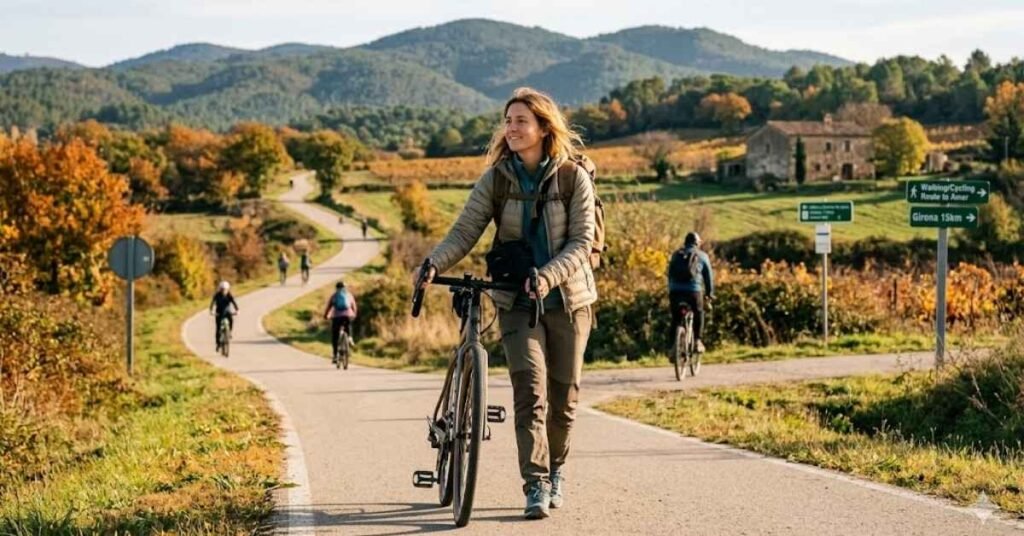
Walking and cycling trips allow travelers to experience destinations at a slower and more immersive pace. You notice local details, conversations, landscapes, and cultural rhythms more naturally while moving through places independently. Many travelers enjoy walking vacations because they combine exercise with meaningful exploration. Cycling routes also provide freedom to discover villages, coastlines, and scenic countryside roads. These experiences feel far more personal than rushed sightseeing tours.
Adventure cyclists often choose destinations with safe routes and stunning natural scenery. Some travelers dream about cycling through Morocco past palm-lined oases and historic desert landscapes. Others prefer peaceful European trails filled with vineyards, markets, and coastal villages. Guided cycling experiences can also help beginners feel more confident during their first long-distance tours. Whether walking or cycling, slower travel creates stronger connections with destinations.
Wildlife And Nature Solo Adventure Trips
Nature-focused adventures attract travelers who want quieter, more meaningful experiences away from crowded tourist areas. Wildlife tours, rainforest expeditions, mountain hikes, and beach escapes allow travelers to reconnect with nature while reducing stress. Many solo adventurers prioritize destinations rich in biodiversity and outdoor activities. Encounters with animals and natural landscapes often become unforgettable highlights during long journeys. These moments create stronger emotional connections with travel experiences.
Countries like Costa Rica, Kenya, and Iceland remain popular among travelers seeking outdoor adventures. Visitors can spot sloths, whales, monkeys, birds, and other species while exploring protected ecosystems and national parks. Many travelers also enjoy kayaking, snorkeling, and eco-lodges surrounded by untouched scenery. Responsible tourism helps protect these fragile environments for future generations. Nature travel often changes how people view the world and their place within it.
Like also: Benefits Of Solo Travel: Transform Your Life Today
How To Build Confidence Through Solo Adventure Travel
Traveling independently pushes people outside familiar routines and comfort zones in powerful ways. Every successful decision, conversation, and challenge gradually strengthens self-confidence during the journey. Travelers often feel nervous before their first trip, but those fears usually fade after a few days abroad. Small achievements like navigating transportation or solving unexpected problems build resilience quickly. Confidence grows through action, not perfection.
Solo travel also encourages greater self-awareness and independence. Without familiar support systems nearby, travelers learn how to trust themselves more deeply. Many people return home with stronger communication skills, better adaptability, and greater emotional resilience. Experiences abroad often influence careers, relationships, and long-term personal goals. Adventure travel doesn’t just change where you go. It changes how you see yourself.
Mistakes To Avoid During Solo Adventure Travel
Many travel problems happen because people rush decisions or ignore basic preparation before leaving home. Overpacking, poor budgeting, and unrealistic itineraries frequently create unnecessary stress during trips. Some travelers also underestimate transportation times and exhaust themselves by moving too quickly between destinations. Slower travel often leads to better experiences and fewer complications. Good planning creates more flexibility later.
Safety mistakes can also affect otherwise enjoyable adventures. Travelers should avoid sharing private information publicly and remain cautious in unfamiliar situations. Ignoring local customs or failing to research destinations can create avoidable misunderstandings. It’s also important to maintain backups for money, documents, and emergency contacts. Learning from common mistakes helps travelers enjoy smoother, safer, and more rewarding journeys.
Frequently Asked Questions
Is solo adventure travel safe for beginners?
Yes, beginners can travel safely by choosing traveler-friendly destinations, staying aware of surroundings, and planning accommodations and transportation in advance.
What are the best countries for solo adventure travel?
Popular options include Iceland, Costa Rica, Japan, Portugal, and New Zealand because they offer safety, strong tourism infrastructure, and great outdoor activities.
How do solo travelers meet people during trips?
Travelers often meet people through hostels, walking tours, group activities, cooking classes, and local events designed for social interaction.
How much money do you need for solo adventure travel?
Costs vary by destination and travel style, but budget travelers can reduce expenses using hostels, public transportation, and local food options.
What should I pack for a solo adventure trip?
Pack lightweight clothing, travel documents, a power bank, medications, comfortable shoes, and safety essentials suited to your destination and activities.
Conclusion
Solo adventure travel gives you the freedom to explore new places while building confidence, independence, and real-world experience. From choosing safe destinations to managing budgets, meeting people, and planning activities, every part of the journey helps you grow. Smart preparation, awareness, and flexibility make solo travel safer and more enjoyable. Whether you prefer hiking trails, cultural experiences, or city exploration, traveling alone can create unforgettable memories and valuable life skills.
My perspective on solo travel changed after seeing how quickly small challenges build confidence and adaptability. Even simple moments like navigating a new city or talking with locals teach valuable lessons. Those experiences improve problem-solving skills and make everyday situations feel easier back home.

Rajesh Khanna writes solo travel guides that actually help you go. No fluff, no generic tips just real advice from someone who has walked those streets alone. With 5+ years of solo travel experience across multiple continents, he covers everything from safety and budgeting to hidden gems most tourists never find. On Solivoy Route, his one goal is simple: make you confident enough to book that trip alone.