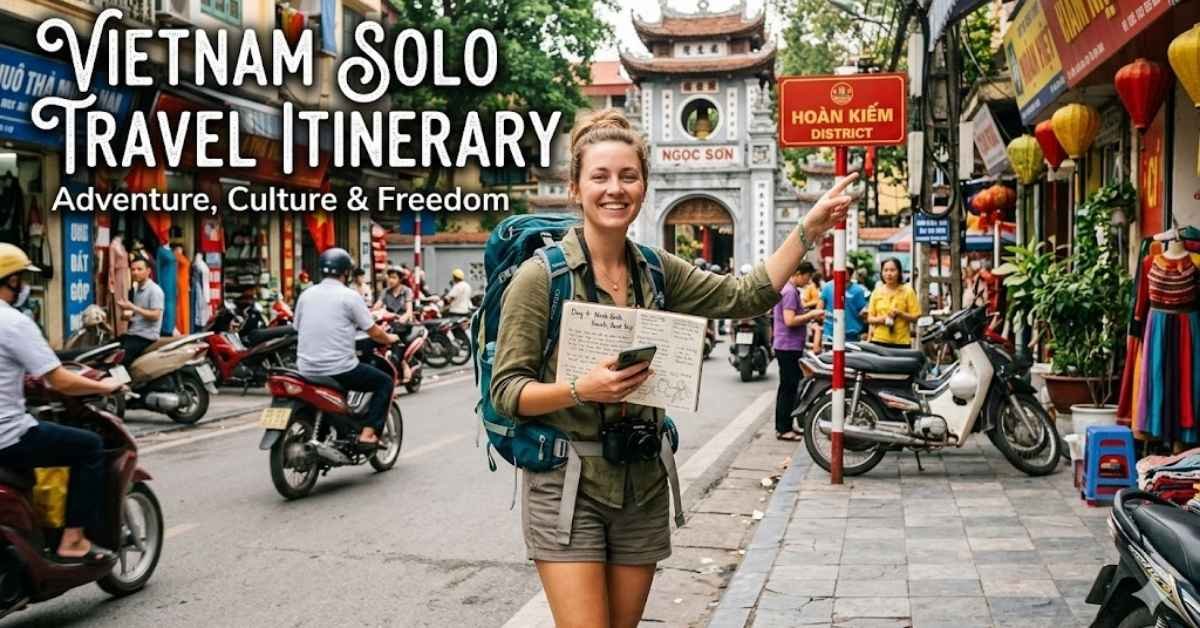
Vietnam stopped me in my tracks the moment I stepped off the plane in Hanoi. The noise, the chaos, the smell of pho drifting through narrow streets was overwhelming and electric at the same time. If you’re planning a Vietnam solo travel itinerary but feeling unsure where to start, you’re not alone. Most first-time solo travelers feel exactly the same way.
I’ve spent months traveling Vietnam solo, from the misty highlands of Sapa to the lantern-lit streets of Hoi An. That experience taught me what works, what wastes your time, and what most travel blogs completely miss.
In this guide, you’ll get a practical, day-by-day Vietnam solo travel itinerary covering the best routes, hidden gems, safety tips, budget planning, and everything you need to travel Vietnam confidently on your own.
Vietnam Solo Travel Itinerary at a Glance
Vietnam is one of those countries that grabs you by the collar and doesn’t let go. From the terraced rice fields of Sapa to the turquoise waters of Phu Quoc, this Southeast Asian gem packs an extraordinary amount of beauty, culture, and adventure into one long, narrow strip of land. Planning a Vietnam solo travel itinerary feels overwhelming at first but once you understand the country’s geography and rhythm, everything clicks into place.
Here’s a quick snapshot to help you plan smarter before diving deep.
| Factor | Details |
| Best Duration | 7 to 21 days |
| Best Entry Points | Hanoi (North), Ho Chi Minh City (South) |
| Popular Route | North to South or South to North |
| Average Daily Budget | $30–$60 USD (mid-range solo traveler) |
| Best Travel Months | February to April, August to October |
| Main Transport | Open bus, train, domestic flights |
| Solo Travel Safety | Generally very safe |
| Visa Requirement | E-visa available for most nationalities |
Is Vietnam Safe and Good for Solo Travel?
Honestly? Vietnam is one of the most solo-travel-friendly destinations in all of Asia. Millions of independent travelers backpackers, digital nomads, retirees, and solo female travelers move through this country every single year without serious incident. The locals are warm, the tourist infrastructure is solid, and help is almost always within arm’s reach.
That said, “safe” doesn’t mean “without caution.” Petty theft, motorbike bag snatching, and taxi scams exist, especially in Ho Chi Minh City and busy tourist markets. Keep your bag close on busy streets. Use reputable apps like Grab instead of flagging down random motorbike taxis. Stay in well-reviewed hostels and guesthouses where staff know the area and can guide you. Common sense goes a long way here Vietnam rewards curious, aware travelers who stay switched on without being paranoid.
North to South or South to North: Choosing the Best Route
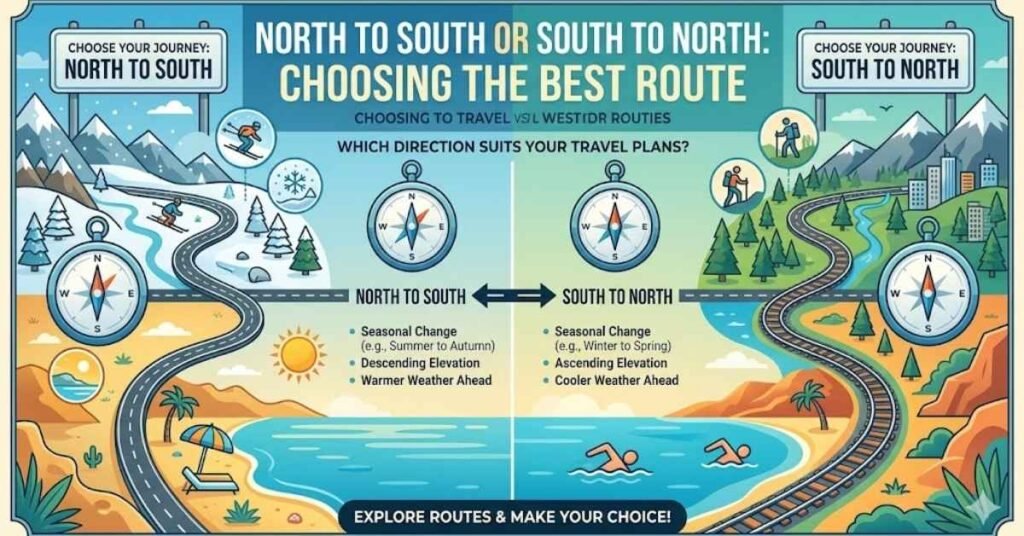
This is the question every solo traveler wrestles with first. Both directions work beautifully. The real answer depends on your flight deals, the season, and where your energy wants to go first.
North to South is the classic route. You land in Hanoi, absorb the Old Quarter chaos, explore Ha Long Bay or Ninh Binh, trek through Sapa, then slowly drift south through Hue, Da Nang, Hoi An, and finally land in the electric buzz of Ho Chi Minh City. This direction follows Vietnam’s historical narrative and feels natural, like reading a book from cover to cover.
South to North flips that script. You start in the fast-paced energy of Ho Chi Minh City, work your way through the Mekong Delta, up through Central Vietnam’s historic heartland, and end your trip in the slower, more contemplative north. Many travelers prefer flying into Ho Chi Minh City because tickets are often cheaper from Western countries.
| Route | Best For | Pros |
| North to South | First-timers, culture lovers | Follows history, great flow |
| South to North | Budget flyers, beach lovers | Cheaper entry flights, ends peacefully |
How Many Days Do You Need in Vietnam?
Seven days gives you a taste. Ten days gives you a story. Two weeks gives you a real feel for the country. Three weeks? That’s when Vietnam truly becomes yours.
If you only have 7 days, focus on one region either the north or the south. Trying to squeeze the entire country into a week leads to exhaustion, not exploration. With 10 days, you can comfortably cover Hanoi, one northern day trip, and the central highlights of Hoi An. A 2-week Vietnam itinerary lets you hit the major landmarks from Hanoi to Ho Chi Minh City without rushing. And with 3 weeks, you can slow down, get lost in smaller towns, and actually connect with the culture.
Best Time to Visit Vietnam for Solo Travel
Vietnam’s climate is tricky because the country spans such a long distance. What’s sunny in the south can be stormy in the north and vice versa. Understanding Vietnam’s regional weather patterns saves your trip from unexpected rain and disappointment.
February to April is widely considered the best time to visit Vietnam for solo travelers. The north is cool and clear, central Vietnam is dry and warm, and the south is pleasant before the rains arrive. August to October works well for the south and some central regions, though the north can get wet. Avoid November to January in central Vietnam. The monsoon season hits Hoi An and Hue particularly hard during this window.
| Region | Best Months | Avoid |
| North Vietnam | Oct–April | May–September (hot, rainy) |
| Central Vietnam | Feb–May | Oct–January (monsoon) |
| South Vietnam | Dec–April | May–November (wet season) |
7 Day Vietnam Solo Travel Itinerary
Seven days in Vietnam means making choices and sticking to them. This 7 day Vietnam solo itinerary focuses on the north, where the culture, food, and landscapes are incredibly dense and rewarding.
Day 1–2: Hanoi. Arrive, drop your bags, and walk the Hoan Kiem Lake circuit. Eat bun cha for lunch and pho for dinner. Visit the Temple of Literature on day two. Take a cyclo ride through the Old Quarter at dusk.
Day 3–4: Ha Long Bay or Ninh Binh. Book a 1-night cruise on Ha Long Bay or take a day trip to Ninh Binh’s Trang An Grottoes. Both are stunning. Ha Long is iconic; Ninh Binh is quieter and often more memorable for solo travelers.
Day 5: Hue. Take the train south. Wander the Imperial Citadel, try bun bo Hue, and watch the Perfume River turn golden at sunset.
Day 6: Hoi An. Rent a bicycle and cycle through rice paddies. Explore the Ancient Town at night when the lanterns glow.
Day 7: Depart from Da Nang. Spend the morning at My Khe Beach before your flight home.
10 Day Vietnam Solo Travel Itinerary for First Timers
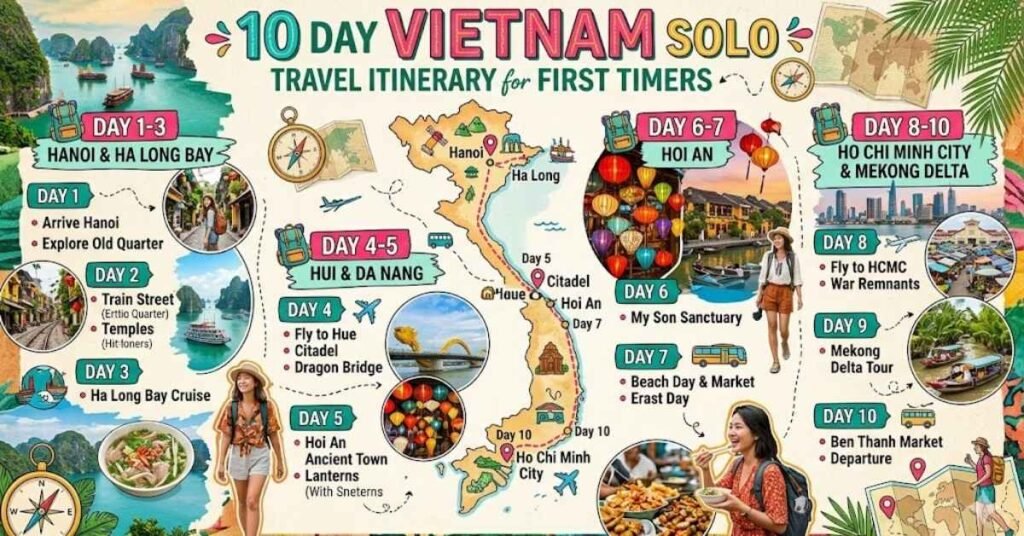
Ten days is the sweet spot for first-time solo travelers. It gives you enough time to breathe, explore, and actually enjoy each destination without rushing to catch the next bus every morning.
Days 1–3: Hanoi and surroundings. Two nights in the capital, one day trip to Ninh Binh or Ha Long Bay. Eat street food every single meal you’ll spend less than $5 and eat better than anywhere else.
Days 4–5: Sapa. Take the overnight train from Hanoi. Trek through Muong Hoa Valley, stay with a local family in a homestay, and watch the morning mist roll over the terraces. It’s one of those moments that stays with you for years.
Days 6–7: Hue and Da Nang. Fly or take the train south. Hue’s royal tombs and Da Nang’s Dragon Bridge are worth your time.
Days 8–9: Hoi An. Two full days here, one for the Ancient Town, one for the surrounding countryside and My Son Sanctuary.
Day 10: Ho Chi Minh City. Fly in, explore the War Remnants Museum, eat banh mi from a street cart, and soak in the city’s relentless energy before departure.
2 Week Vietnam Solo Travel Itinerary
Two weeks in Vietnam lets you exhale. You stop chasing highlights and start actually living inside the experience.
Days 1–3: Hanoi. Don’t rush the capital. Spend time in the French Quarter, visit the Ho Chi Minh Mausoleum, and take a cooking class.
Days 4–5: Ha Long Bay. Book a 2-night cruise. Watch the karst limestone towers emerge from morning fog. Kayak through hidden caves. Sleep on the water.
Days 6–7: Sapa or Ha Giang Loop. Choose your adventure. Sapa for trekking; Ha Giang for the most dramatic motorbike loop in Southeast Asia.
Days 8–9: Hue and surroundings. Rent a motorbike and ride the Hai Van Pass yourself. The view from the top is worth every hairpin turn.
Days 10–11: Hoi An. Slow days. Tailored clothes. Beach afternoons at An Bang.
Days 12–13: Ho Chi Minh City. The Cu Chi Tunnels, Ben Thanh Market, rooftop bars, and the Mekong Delta day trip.
Day 14: Departure. Fly home with a full memory card and an empty wallet both completely worth it.
3 Week Vietnam Solo Travel Itinerary
Three weeks transforms you from a tourist into a temporary local. You start recognizing faces, learning a few Vietnamese words, and finding your favorite pho spot.
Follow the 2-week route above and add these extensions. Spend 2 extra days in Phong Nha-Ke Bang National Park home to Son Doong, the world’s largest cave. Add Nha Trang for beach recovery. Detour to Da Lat, Vietnam’s highland city of eternal spring, where the temperature drops, the coffee is extraordinary, and the strawberry farms feel surreal. End with 2 nights in Phu Quoc before flying out.
| Week | Focus | Key Destinations |
| Week 1 | North Vietnam | Hanoi, Ha Long Bay, Sapa |
| Week 2 | Central Vietnam | Hue, Da Nang, Hoi An, Phong Nha |
| Week 3 | South Vietnam | HCMC, Mekong Delta, Nha Trang, Phu Quoc |
Best Vietnam Itinerary by Travel Style: Culture, Nature, Beach, or Backpacking
Not every solo traveler wants the same thing. Here’s how to customize your Vietnam travel itinerary based on what actually excites you.
Culture lovers should anchor their trip around Hanoi, Hue, and Hoi An. These three cities carry Vietnam’s historical soul from imperial dynasties to French colonial architecture to ancient trading ports. Add a Vietnamese cooking class and a visit to a local market.
Nature seekers should prioritize Sapa, the Ha Giang Loop, Phong Nha caves, and Cat Tien National Park. Vietnam’s natural landscapes are genuinely world-class and still relatively undiscovered compared to Thailand or Bali.
Beach lovers head straight to Phu Quoc, Nha Trang, or the quieter shores of Phu Quoc’s Long Beach. Da Nang’s My Khe Beach is also excellent and conveniently located between two great cities.
Backpackers on a tight budget thrive in Vietnam. The Sinh Tourist open bus passes connect major cities for very little money. Hostel dorms in Hanoi and HCMC cost as little as $5–$8 per night. Street food keeps your daily food budget under $10.
May you like also: Solo Travel Amsterdam: See It Alone, Love It More!
Hanoi Travel Guide for Solo Travelers
Hanoi hits differently from every other city in Southeast Asia. Its chaotic and contradictory ancient temples pressed against French colonial mansions, street vendors beside luxury boutiques, motorbikes weaving through roads that were never designed for them. And somehow, it all works.
For solo travelers in Hanoi, the Old Quarter is the beating heart. Stay here for convenience and atmosphere. Walk Hoan Kiem Lake every morning. Eat egg coffee at Cafe Giang. Visit the Vietnam Museum of Ethnology seriously underrated and absolutely fascinating. Take the overnight train to Sapa from Hanoi Railway Station rather than booking a tourist bus. The experience is worth every dong.
Ninh Binh or Ha Long Bay: Which One Is Better for Solo Travelers?
Both deserve a spot on your Vietnam solo itinerary but if you’re choosing just one, here’s the honest comparison.
Ha Long Bay is iconic for a reason. The 1,600-plus limestone karsts rising from emerald water create one of the most photographed seascapes on earth. However, it’s crowded, heavily commercialized, and the cruise experience varies wildly depending on your budget.
Ninh Binh is Ha Long Bay on land and far less touristy. The Trang An Grottoes offer boat rides through cave systems and rice paddies that feel genuinely magical. Bich Dong Pagoda is a short cycle away. You can rent a bicycle for $2 and spend the whole day exploring independently which is exactly what solo travel is all about.
| Factor | Ha Long Bay | Ninh Binh |
| Crowds | Very busy | Moderate |
| Cost | $50–$200+ (cruise) | $10–$30 (day trip) |
| Solo Experience | Group cruise | Fully independent |
| Scenery | Ocean karsts | Land karsts, rice fields |
| Verdict | Iconic but pricey | Underrated gem |
Sapa vs Ha Giang Loop: Best Choice for Adventure
Both destinations sit in northern Vietnam and both deliver mountain scenery that stops your breath mid-sentence. But they offer very different experiences.
Sapa is more accessible and more developed. You can join a guided trek through Muong Hoa Valley, stay in a local Hmong or Dao homestay, and be back in Hanoi within 48 hours. It’s perfect for travelers who want adventure with a comfortable safety net.
Ha Giang Loop is for the bold. You rent a motorbike or hire an Easy Rider guide and spend 3–4 days navigating hairpin mountain roads through the Dong Van Karst Plateau Geopark, a UNESCO-recognized landscape that looks like another planet. There are no guardrails in many sections. The scenery is absolutely breathtaking. This is one of the most exhilarating experiences in all of Southeast Asia but it demands confidence on a motorbike and a genuine appetite for adventure.
Central Vietnam Route: Hue, Da Nang, and Hoi An Highlights
Central Vietnam is where the country’s heart beats loudest. Three cities, each distinct, each unforgettable, all connected by a stretch of coastline and mountain road that ranks among Asia’s most scenic drives.
Hue served as Vietnam’s imperial capital for nearly 150 years. The Imperial Citadel still partially damaged from the 1968 Tet Offensive tells a story that textbooks can’t fully capture. Eat bun bo Hue for breakfast. Visit the Thien Mu Pagoda at dawn. Hire a dragon boat on the Perfume River.
Da Nang is the region’s modern hub beaches, seafood, and the famous Golden Bridge held up by giant stone hands in the Ba Na Hills. It’s a great transit city rather than a destination itself, though My Khe Beach earns a genuine half-day.
Hoi An is the one that makes people extend their Vietnam trip. The Ancient Town glows amber and red at night. Tailors produce custom-made clothes in 24 hours. Cooking classes, bicycle rides through rice fields, and boat trips on the Thu Bon River fill the days effortlessly.
Southern Vietnam Guide: Ho Chi Minh City and Mekong Delta
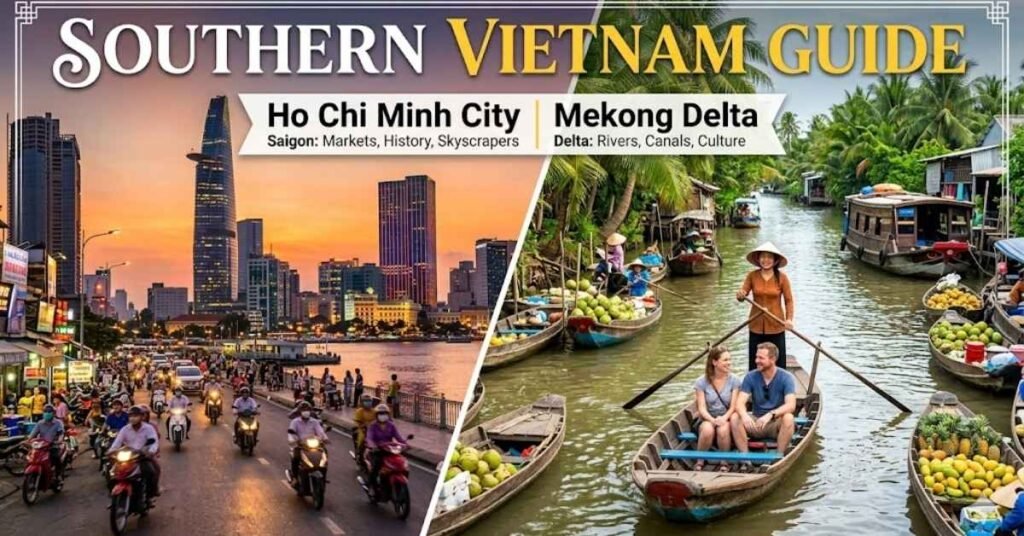
Ho Chi Minh City doesn’t ask whether you’re ready. It simply pulls you in and dares you to keep up. The traffic alone is a spectacle. Crossing a road feels like stepping into a slow-motion river of motorbikes. But lean into it and you’ll love every chaotic minute.
Key stops in HCMC include the War Remnants Museum (emotionally powerful and important), the Reunification Palace, Ben Thanh Market, and Bui Vien Street for nightlife. For day trips, the Cu Chi Tunnels, an underground wartime network stretching over 250 kilometers offer one of the most sobering and fascinating historical experiences in Southeast Asia.
The Mekong Delta deserves at least one full day. Book a guided boat tour through the waterways, visit floating markets, taste fresh tropical fruit straight from the orchard, and watch life move at the pace of the river. It feels like a different country entirely slow, green, and deeply alive.
Best Beach Destinations: Da Lat, Nha Trang, and Phu Quoc
Da Lat isn’t technically a beach destination, it’s a cool highland retreat at 1,500 meters above sea level. But it belongs here because solo travelers often use it as a rest stop between coastal cities. The Xuan Huong Lake, pine forests, waterfalls, and exceptional Vietnamese coffee make it one of Vietnam’s most underappreciated destinations.
Nha Trang is Vietnam’s beach party capital. It’s buzzy, it’s touristy, and the diving is genuinely good. Rent a snorkeling boat for a day trip to the surrounding islands or simply park yourself on the long white beach with a cold Saigon beer.
Phu Quoc is the crown jewel. Vietnam’s largest island sits in the Gulf of Thailand and delivers turquoise water, soft sand, and spectacular sunsets. Long Beach and Sao Beach are both beautiful. The island is more developed now than it was five years ago, but it still offers quieter corners if you’re willing to rent a motorbike and explore.
How to Get Around Vietnam Solo Efficiently
Vietnam is long and thin, roughly 1,650 kilometers from top to bottom. Getting around efficiently as a solo traveler requires mixing transport modes strategically.
Domestic flights are cheap and save enormous time on long stretches. Vietjet Air, Bamboo Airways, and Vietnam Airlines connect all major cities. Book early for the best deals.
Overnight trains are romantic and practical. The Reunification Express runs the full length of the country. A sleeper berth costs $20–$40 and saves you a night’s accommodation.
Open bus tickets from companies like The Sinh Tourist connect major backpacker stops for very little money. Slower but social.
Grab (Southeast Asia’s Uber) works in every major city and is the safest and most transparent way to get around locally.
Motorbike rental costs $5–$10 per day in most cities. If you’re confident on two wheels, it’s the most liberating way to explore rural areas.
Where to Stay in Vietnam as a Solo Traveler
Vietnam offers accommodation for every budget and personality type.
Hostels are the social backbone of solo travel in Vietnam. Beds in Hanoi and HCMC start at $5–$8 per night in well-reviewed spots. The Common Room Project in Hoi An and Hanoi Backpackers Hostel are legendary among the solo travel community for good reason.
Guesthouses and mini-hotels offer private rooms for $15–$25 per night a great middle ground between budget and comfort. Booking.com and Agoda are the most reliable booking platforms in Vietnam.
Boutique hotels in Hoi An and Hue are genuinely affordable by international standards. You can stay somewhere beautiful, quiet, and architecturally stunning for $40–$70 per night.
Homestays in Sapa and the Mekong Delta connect you directly with local families and often include home-cooked meals. Book through local trekking companies rather than large online platforms for the most authentic experience.
How Much Does a Solo Trip to Vietnam Cost Per Day?
Vietnam is one of Southeast Asia’s best value destinations for solo travelers. Here’s a realistic daily budget breakdown.
| Budget Level | Accommodation | Food | Transport | Total/Day |
| Backpacker | $6–$10 (dorm) | $5–$8 (street food) | $3–$5 | $15–$25 |
| Mid-Range | $20–$35 (private room) | $10–$20 (mix) | $5–$15 | $35–$70 |
| Comfortable | $50–$80 (boutique) | $25–$40 (restaurants) | $20–$30 | $95–$150 |
A 2-week Vietnam solo trip at mid-range level typically costs $700–$1,100 all-in, excluding international flights.
What to Pack for a Vietnam Solo Trip
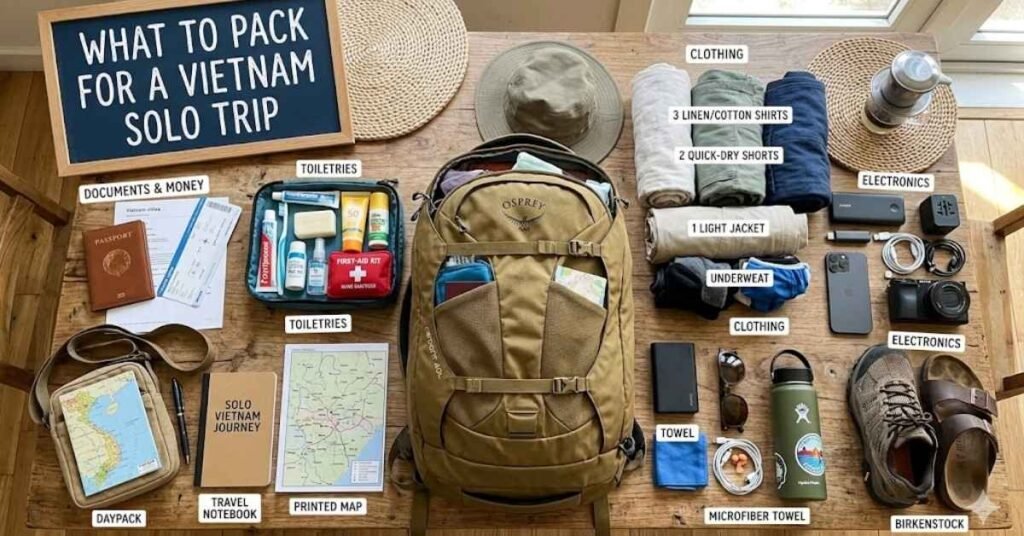
Pack light. Seriously. Vietnam’s heat, humidity, and constant movement punish heavy luggage. A 40-liter backpack is enough for most trips.
Clothing essentials include lightweight breathable shirts, one pair of long pants for temple visits, a rain jacket (not optional even in dry season), comfortable walking shoes, and flip flops. A sarong doubles as a beach towel, temple cover, and light blanket on overnight trains.
Tech and documents worth carrying: a universal power adapter, a portable power bank, a padlock for hostel lockers, a scanned copy of your passport stored in cloud storage, and a local SIM card from Viettel or Vietnamobile (buy at the airport on arrival).
Health and safety items include mosquito repellent with DEET, sunscreen SPF 50+, oral rehydration salts, and basic first aid supplies. Pharmacies are everywhere in Vietnamese cities but having the basics on hand saves time and stress.
What to Book in Advance for a Vietnam Solo Trip
Vietnam doesn’t require as much advance planning as some destinations but a few things genuinely need to be booked ahead.
Your Vietnam e-visa should be applied for at least 3–5 business days before departure at evisa.xuatnhapcanh.gov.vn. It costs $25 and covers 90 days for most nationalities.
Ha Long Bay cruises sell out fast during peak season (February–April). Book at least 2–4 weeks ahead through reputable operators like Indochina Junk or Paradise Cruises.
Sapa homestays during trekking season fill up quickly and reserve at least 1–2 weeks in advance.
Overnight trains on popular routes, especially Hanoi to Da Nang and Da Nang to HCMC, should be booked via dsvn.vn or Baolau as soon as your dates are confirmed.
Domestic flights during Vietnamese public holidays, especially Tet (Lunar New Year) need booking months in advance. Prices triple and seats disappear completely.
See also: Europe Solo Travel Guide for Women: Everything You Need to Know
Common Scams in Vietnam and How to Avoid Them
Knowing what to watch for keeps your trip smooth and your wallet intact.
The taxi meter scam is the most common. Always use Grab or confirm the meter is running before you sit down in any cab. In Hanoi, Mai Linh and Vinasun are the two trustworthy metered taxi companies.
Cyclo tour overcharging happens frequently in Hanoi’s Old Quarter. Agree on the exact price in writing before you climb in and confirm whether it’s per person or total.
The broken motorbike rental scam involves shops renting you a bike with pre-existing damage and then charging you for it upon return. Photograph every scratch and dent before you ride away.
Fake travel agencies selling counterfeit bus tickets and fake cruises operate near tourist areas. Book through your hostel or directly with verified operators.
Shoe shining and flower selling near tourist spots often end in aggressive overcharging. A polite but firm “no thank you” and keep walking.
Solo Female Travel in Vietnam: Extra Safety Tips by Destination
Vietnam is one of the safer countries in Asia for solo female travelers. The harassment levels are significantly lower than in many other destinations. That said, awareness matters everywhere.
In Hanoi, stick to well-lit streets after dark and use Grab rather than walking long distances alone at night. The Old Quarter is generally safe but can feel overwhelming.
In Hoi An, it’s one of the most female-friendly destinations in Vietnam. The town is walkable, well-lit, and the traveler community is strong. An Bang Beach is relaxed and easy to navigate solo.
In Ho Chi Minh City, keep your bag on your lap in the back of motorbike taxis and hold your phone close on busy streets. Bag snatching from moving motorbikes is the primary risk not personal assault.
In Sapa and rural areas, dress modestly out of cultural respect. Local trekking guides especially female guides from the Hmong community are worth hiring both for cultural insight and comfort.
Across the whole country, solo female travelers report feeling generally respected and welcomed. Trust your instincts, stay connected, and share your itinerary with someone at home.
Best Places in Vietnam to Meet Other Solo Travelers
One of Vietnam’s great gifts to solo travelers is how naturally social it becomes. The backpacker trail here is well-worn and the community is genuinely warm.
Hanoi Backpackers Hostel on Ma May Street has been a solo traveler institution for over a decade. The bar, the organized tours, and the social events make it effortless to connect with other travelers within hours of arrival.
Hoi An is arguably the single best place to meet people. The hostel scene around Cam Nam Island and the Ancient Town draws a fantastic mix of long-term travelers, digital nomads, and first-timers. The communal cooking classes and bicycle tours practically do the socializing for you.
Mui Ne and Nha Trang attract a more party-oriented crowd. If that’s your vibe, both towns make meeting people extremely easy.
Chill Skybar in Da Nang and Bui Vien Street in HCMC are legendary spots for solo travelers who want nightlife with an easy social atmosphere.
Practical Solo Travel Tips for Vietnam
End strong. These final tips come from real experience on the road not from a tourism brochure.
Download Google Maps offline for every city before you arrive. Internet can be spotty in rural areas and having offline navigation saves countless headaches.
Learn five Vietnamese phrases. “Xin chào” (hello), “cảm ơn” (thank you), “bao nhiêu tiền” (how much?), “không cay” (not spicy), and “ngon lắm” (very delicious). Locals light up when you try it opens doors that money can’t.
Always carry small denomination Vietnamese dong many street vendors and local buses don’t make change for large bills. ATMs are widely available in cities; use those inside banks rather than standalone machines to avoid skimming.
Travel insurance is non-negotiable. World Nomads and SafetyWing both cover Vietnam well and include motorbike riding coverage if you declare it upfront.
Slow down. The biggest mistake solo travelers make in Vietnam is trying to see everything. Pick fewer places, stay longer, and let the country actually reach you. That’s when the real memories happen not at the famous viewpoint everyone photographs, but at the small noodle stall around the corner where nobody speaks your language and the soup costs 30,000 dong and somehow tastes like the best thing you’ve ever eaten.
Frequently Asked Questions
Is Vietnam Good for Solo Travellers?
Absolutely Vietnam ranks among the top solo travel destinations in Southeast Asia. The well-developed backpacker trail, affordable transport, welcoming locals, and strong hostel culture make it genuinely easy and rewarding to explore alone.
Is $1000 Enough for 2 Weeks in Vietnam?
Yes, $1000 USD comfortably covers 2 weeks in Vietnam for a mid-range solo traveler. You can afford decent private accommodation, delicious local meals, domestic transport, and popular day trips and experiences without stretching your budget too thin.
Is $100 USD a Lot in Vietnam?
In Vietnam, $100 USD goes surprisingly far. It can cover 3–5 nights in a comfortable guesthouse, several restaurant meals, local transport, and entrance fees making it a solid daily buffer for budget-conscious solo travelers exploring Vietnamese cities.
Is 10,000 Rupees Enough for a Vietnam Trip?
10,000 Indian rupees equals roughly $120 USD, which works as a short daily travel fund inside Vietnam but won’t cover international flights or visa fees. For a full Vietnam solo trip, budget at least 80,000–120,000 rupees total for one week excluding airfare.
Is 5000 Rupees Enough for a Vietnam Trip?
5,000 rupees converts to approximately $60 USD enough for 1–2 days of basic budget backpacker travel inside Vietnam. However, it’s far too little for a complete trip. Plan a realistic total budget covering flights, visa, accommodation, food, and local transportation costs.
Is 30 Too Old to Solo Travel?
Not even close. Thirty is actually a fantastic age for solo travel. You’re confident, self-aware, and financially more stable than your early twenties. Vietnam welcomes solo travelers of every age, and many independent travelers exploring the country are in their 30s, 40s, and well beyond.
Conclusion
Planning a Vietnam solo travel itinerary doesn’t have to feel like solving a puzzle with missing pieces. This guide walked you through everything including the best routes, realistic budgets, regional weather, safety tips, top destinations, and practical packing advice so you can step off that plane feeling prepared, not panicked. Vietnam rewards solo travelers who show up curious and stay flexible.
Personally, the more time spent researching Vietnam, the clearer one thing becomes: no itinerary survives first contact with this country unchanged. And that’s the beauty of it. The best moments always happen between the planned stops: a stranger sharing street food, a wrong turn leading somewhere magical. Trust the journey. Vietnam will do the rest.

Rajesh Khanna writes solo travel guides that actually help you go. No fluff, no generic tips just real advice from someone who has walked those streets alone. With 5+ years of solo travel experience across multiple continents, he covers everything from safety and budgeting to hidden gems most tourists never find. On Solivoy Route, his one goal is simple: make you confident enough to book that trip alone.